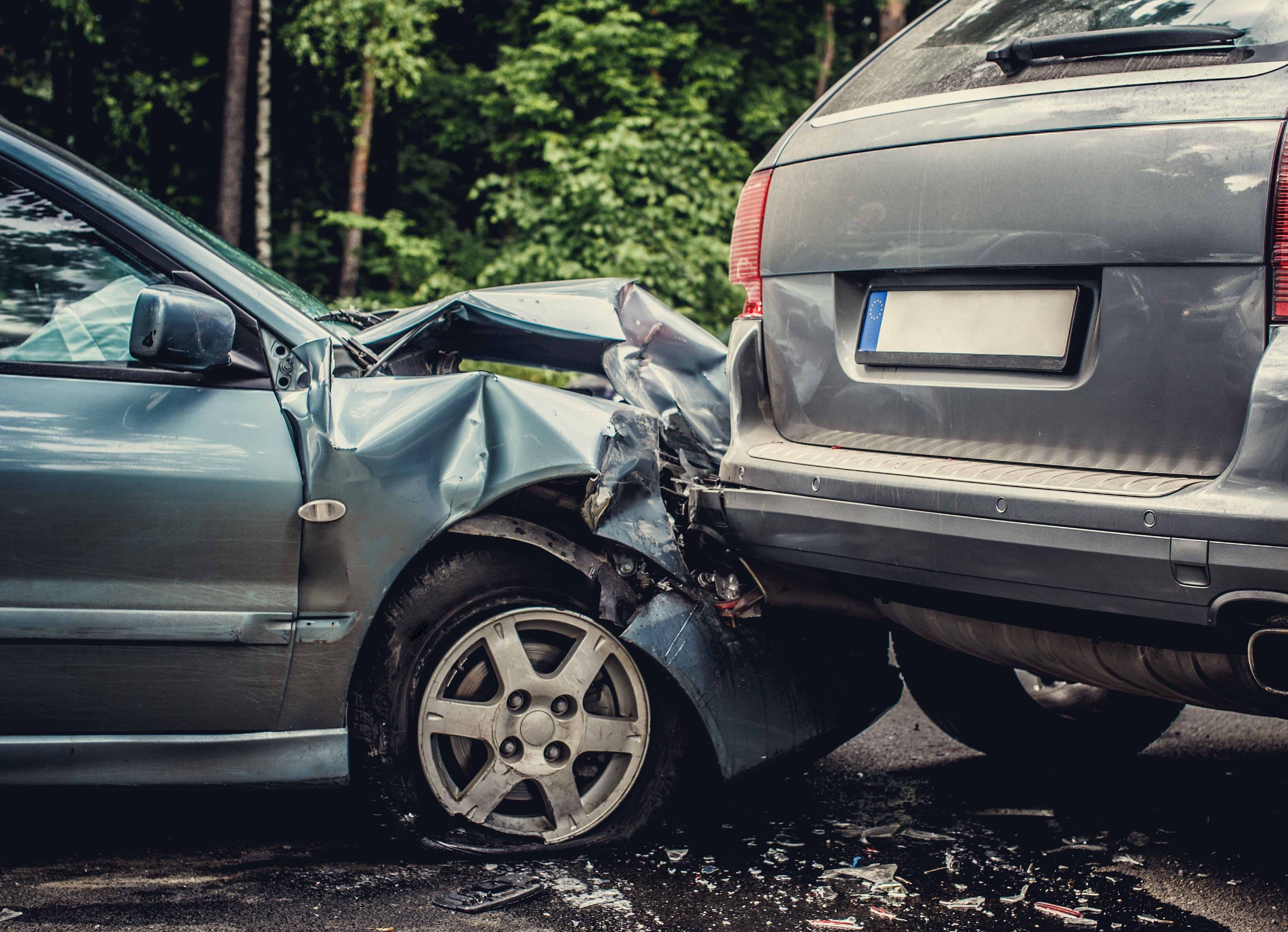
Who is Financially Responsible in Case of an Accident with a Rental Car?
In the event of an accident while traveling with a rental car, who covers the costs varies depending on the pre-rental contract, the selected insurance package, and the driver's behavior at the time of the accident. As QCAR Mobility, we detail the post-accident financial responsibility processes with full transparency below.
Who Pays Under Insurance and Casco Coverage?
The most critical factor in determining financial responsibility for rental cars is the vehicle's insurance coverage.
Presence of Rent a Car Casco: If the vehicle has "Rent a Car Casco" (Commercial Insurance), accidents, theft, and third-party damages within the policy limits are covered by the insurance company.
Compulsory Traffic Insurance: Damages caused to third parties in an accident are legally undertaken by the vehicle's Compulsory Traffic Insurance.
Mini Damage Insurance: Small-scale scratches, glass, or bumper damages are not reflected as additional costs to the user if they are within the scope of mini damage packages (CDW) purchased additionally during the rental.
In Which Situations Does the Renter Pay?
In some scenarios, the insurance may be invalidated, and the entire financial liability passes directly to the renter.
Uninsured Rental: If a vehicle is rented without insurance—despite being against the law—all costs such as repair expenses, part replacement, and labor are collected from the renter in case of an accident.
User Fault and Negligence: In cases such as driving under the influence of alcohol or substances, exceeding legal speed limits, or failing to keep an accident report, the insurance refuses to pay, and all expenses are charged to the user.
Depreciation and Total Loss: When a vehicle is a total loss (pert) or suffers heavy damage, the second-hand market value and the depreciation of the vehicle can be claimed from the renter if it is outside the insurance coverage.
Lack of Official Report: Failing to notify the police at the time of the accident or not keeping the necessary legal reports (accident detection report between parties, etc.) causes the damage to be paid by the user.
4 Critical Steps to Follow at the Time of an Accident
To minimize financial loss and operate the insurance process correctly, you should follow these steps:
Ensure Safety and Notify: First, ensure safety and then call the rental company's support line without losing time.
Create an Official Record: Make sure to record the situation at the accident scene with the assistance of traffic police or gendarmerie, or with an accident detection report between the parties.
Collect Visual Evidence: Document the way the accident occurred and the points of damage with photos and videos.
Submit Documents: Deliver the accident report, alcohol report, and the documents of the other party to the rental company in full.
In summary: With a valid Rent a Car Casco policy and driving in compliance with the rules, you can be exempt from accident expenses thanks to insurance. However, in vehicles where a report is not kept or that are driven against the rules, all payment responsibility lies with the renter.
To hit the road with fully guaranteed and insured vehicles against all kinds of negative scenarios, you can examine QCAR Mobility’s transparent rental conditions.