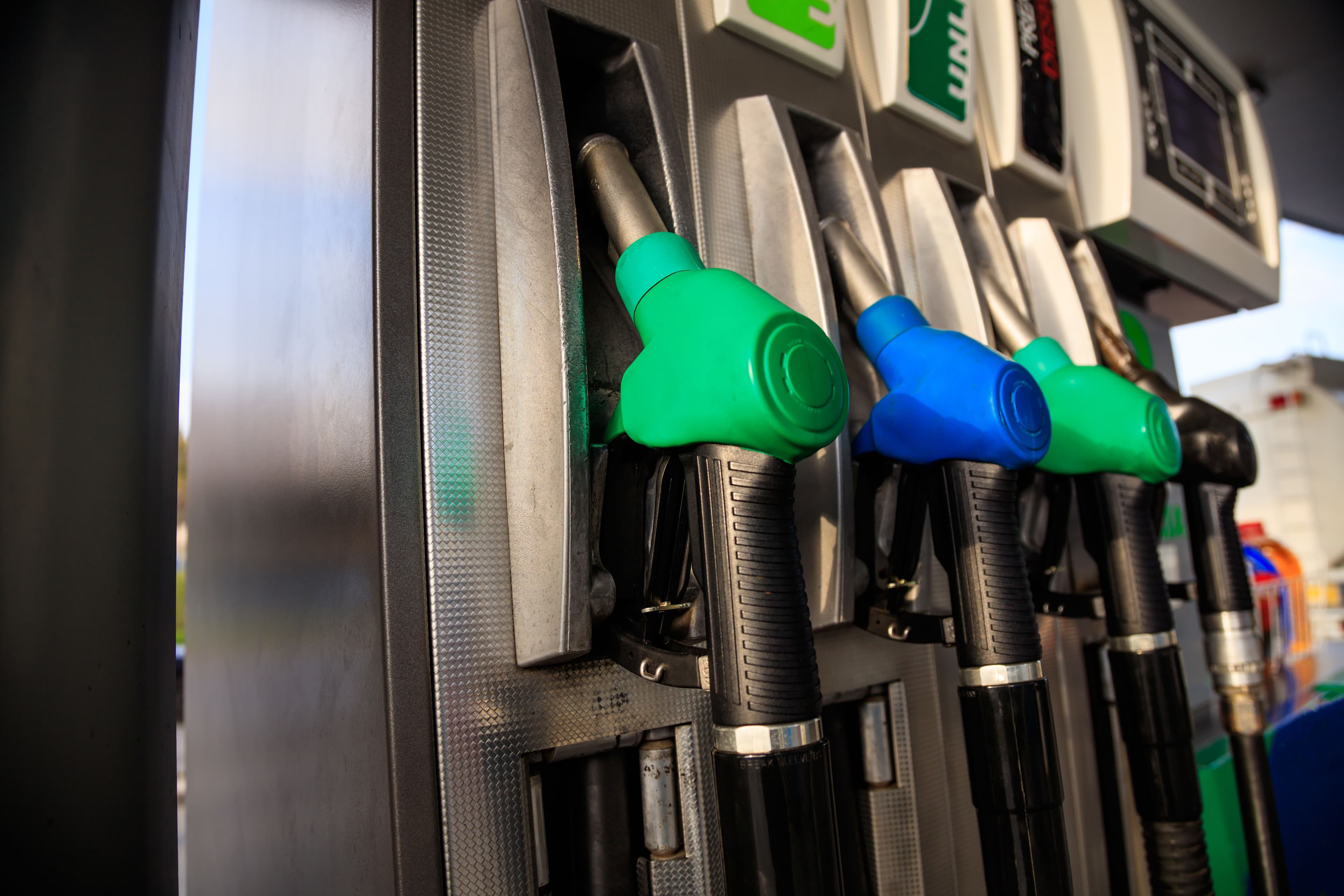
What Is a Car Rental Fuel Policy and Where Can You Find It?
A car rental fuel policy defines the rules regarding how much fuel should be in the vehicle when you collect it and how much fuel must remain when you return it.
This information is generally specified in two places. The reservation screen and rental agreement explain the name of the fuel policy and how it works, while the vehicle collection form records the fuel level at the time of collection.
The most practical rule is simple: The fuel level recorded on the vehicle collection form is the level you should use as a reference when returning the car.
For this reason, always check the fuel gauge when collecting your rental vehicle. If possible, take a photograph of the dashboard and make sure the displayed fuel level matches the information recorded on the collection form.
This simple precaution can significantly reduce the risk of unexpected fuel charges when returning your rental car.
Discover the latest fleet from QCAR Mobility and find the perfect rental car for your budget and travel needs in just minutes. Explore QCAR Mobility's vehicle fleet today!
Most Common Car Rental Fuel Policies: Who Pays for Fuel?
The following are the most common car rental fuel policy options. Each model has different cost considerations and potential risks.
Full-to-Full Fuel Policy
Under the full-to-full fuel policy, you generally collect the rental vehicle with a full tank and return it with a full tank.
You are responsible for the fuel consumed during the rental period. Since you control where and how much fuel you purchase, this is one of the most predictable options in terms of cost.
Planning a quick stop at a petrol station before returning the vehicle can help ensure a smooth return process.
Same-to-Same Fuel Policy
With the same-to-same fuel policy, the vehicle may be provided with a half-full or quarter-full tank. You are then expected to return it with approximately the same fuel level.
The most important consideration is ensuring that the fuel level is recorded accurately when collecting the vehicle.
Fuel gauge tolerances and small changes in the displayed level after short journeys can sometimes lead to disagreements during vehicle return. Therefore, documenting the initial fuel level is particularly important.
Prepaid Fuel Policy
Under a prepaid fuel policy, you purchase a fuel package in advance. This reduces the need to refuel the vehicle before returning it.
This option can be convenient for long-distance journeys, particularly if you expect to use most or all of the fuel in the tank.
However, for short rental periods, prepaid fuel may be less cost-effective because you might not use all the fuel you have already paid for.
For this reason, having a clear travel plan is beneficial when choosing this option.
Rental Company Refuelling Policy
If you return the vehicle with less fuel than required, the rental company may refill the tank and charge you for the missing fuel.
The main risk with this arrangement is that you may be charged not only for the fuel itself but also an additional refuelling service fee.
Therefore, refuelling the vehicle yourself before returning it is generally the more economical option.
Which Car Rental Fuel Policy Is Best for You?
For short-term rentals, city driving, and predictable travel plans, the full-to-full fuel policy is generally one of the most convenient options.
This is because you can decide where to purchase fuel, and the required fuel level when returning the vehicle is clearly defined.
For long-distance journeys or busy travel schedules, a prepaid fuel policy may offer additional convenience, especially if you expect to be short of time when returning the vehicle.
However, this option is most cost-effective when you are likely to use a substantial amount of the prepaid fuel.
If you collect a vehicle with a half-full or quarter-full tank rather than a full tank, the same-to-same fuel policy may apply.
This option requires careful attention to the recorded fuel level. If the level is documented accurately at collection, the vehicle return process is much easier to manage.
Checklist to Avoid Unexpected Fuel Charges When Collecting a Rental Car
A simple two-minute inspection when collecting your rental vehicle can help prevent unnecessary expenses when returning it.
- Take a photograph of the fuel gauge.
- Take a photograph of the mileage displayed on the dashboard.
- Check the fuel level recorded on the vehicle collection form.
- Confirm the correct fuel type for the vehicle.
- If the recorded fuel level does not match the actual level, ask for it to be corrected before accepting the vehicle.
These steps provide valuable protection against potential disputes, regardless of which fuel policy applies to your rental.
Practical Tips to Avoid Fuel Charges When Returning a Rental Car
One of the most common problems on the day of vehicle return is leaving refuelling arrangements until the last minute.
A more reliable approach is to follow these practical steps:
- Identify a petrol station near your vehicle return location in advance.
- Allow extra time for traffic and busy periods.
- Refuel as close to the return location as possible.
- Keep your fuel receipt.
- Under a same-to-same fuel policy, allow a small margin to avoid returning the vehicle slightly below the required fuel level.
Following this plan can help ensure a faster and smoother vehicle return process, particularly at city centre and airport rental locations.
Who Is Responsible for Charging an Electric Rental Car?
For electric rental vehicles, the relevant consideration is the battery charge level rather than the amount of fuel in the tank.
The principle is generally similar to conventional car rental fuel policies.
Depending on the rental agreement, you may be required to return the electric vehicle with the same battery charge percentage as when you collected it. Alternatively, an additional fee may apply if the battery level is below the required amount.
For this reason, taking a photograph of the battery charge percentage at collection and planning your return journey around available charging infrastructure can help reduce unexpected costs.
Fuel Policy Terms You Should Always Check in Your Rental Agreement
- The name and definition of the applicable fuel policy.
- How charges for missing fuel are calculated.
- Whether an additional refuelling service fee applies.
- Whether you are required to provide a fuel receipt.
- The procedure followed if the vehicle is filled with the wrong type of fuel.
- The conditions under which fuel-related charges may be deducted from the security deposit or credit card pre-authorisation.
Frequently Asked Questions
What Happens If I Return a Rental Car with Less Fuel Than Required?
Depending on the applicable fuel policy, you may be charged for the missing fuel. In some cases, an additional refuelling service fee may also apply.
Which Is Better: Full-to-Full or Same-to-Same Fuel Policy?
If you have a clear travel plan and collect the vehicle with a full tank, the full-to-full fuel policy is generally more predictable for most renters.
If the vehicle is not provided with a full tank, the same-to-same fuel policy may be more appropriate. In this case, accurately documenting the fuel level at collection is essential.
Do I Need to Keep My Fuel Receipt When Renting a Car?
Whether a fuel receipt is mandatory depends on the rental agreement.
However, keeping your receipt is a sensible precaution in case the rental company needs to verify the fuel purchase or a dispute arises during the return process.
With QCAR, you can compare rental vehicles across different categories on a single screen and book the option that best suits your budget and travel plans in just minutes. Click here to explore QCAR Mobility's extensive vehicle selection today!